Google Ads for Adelaide Hospitality: Capturing Booking Intent
The campaign structure and keyword approach we use for Adelaide restaurants and venues to convert high-intent local search into reservations.
Someone searching "book Vietnamese restaurant Adelaide" has already decided they want to eat out. For Adelaide's hospitality industry, this moment of active intent is the most valuable point to capture with paid search. They know roughly what they want. They are looking for the right place. That is the moment Google Ads is built for, and it is fundamentally different from what Meta does.
Meta finds people who might like your restaurant based on interests, demographics, and behaviour patterns. It is a discovery channel. Google captures people who are already in the decision phase. For restaurants and venues focused on generating reservations, that distinction matters enormously, and it should shape how you allocate your paid budget.
Why Search Intent Changes the Equation
Meta Ads work well for building brand awareness, retargeting website visitors, and promoting events to a cold audience. But when someone is ready to book a table tonight, they open Google. They type something specific. They expect results that match exactly what they searched.
This is why conversion rates from Google search clicks tend to outperform Meta for direct reservations. The user has done most of the mental work before they even see your ad. Your job is to match their intent precisely and make it easy to act.
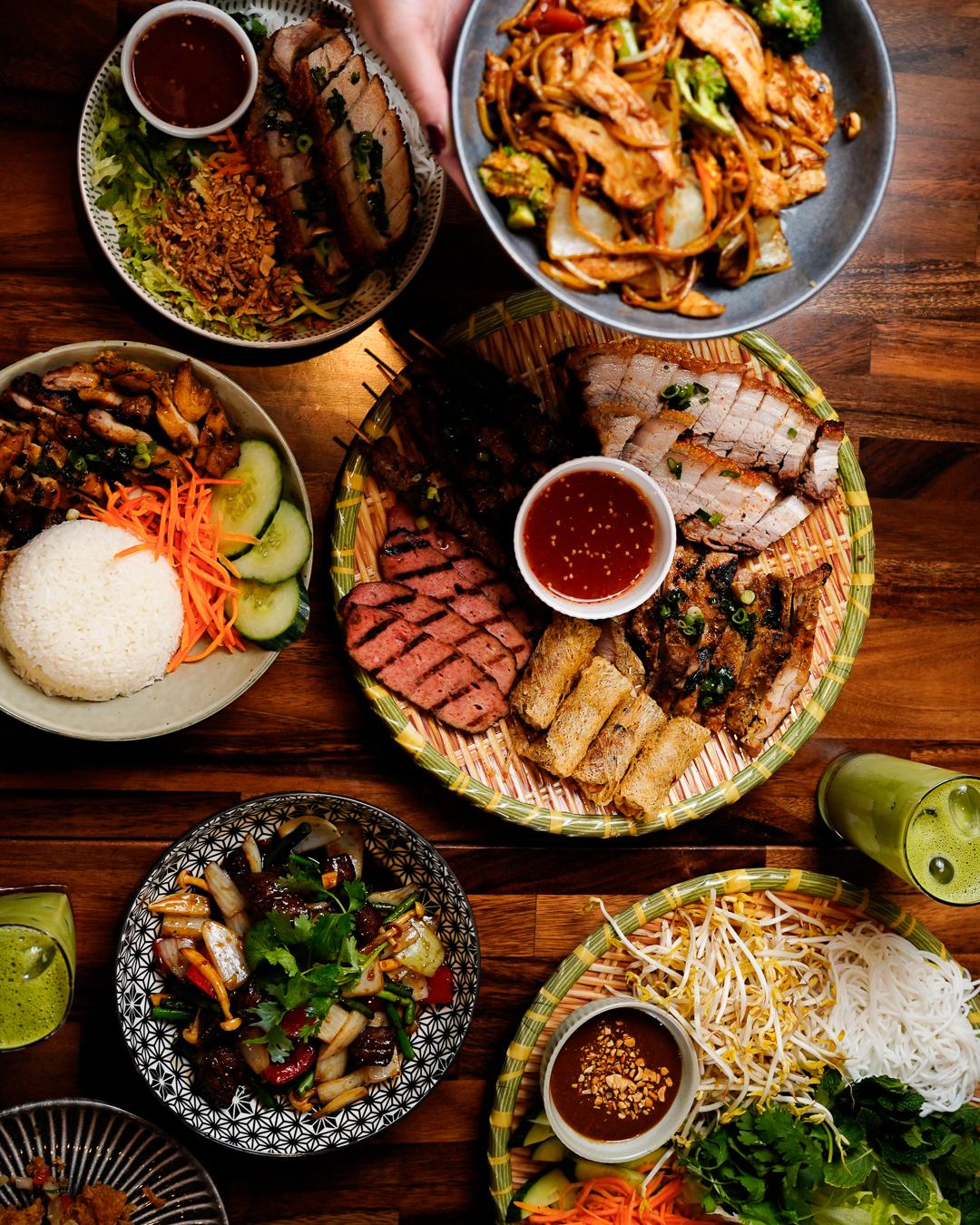
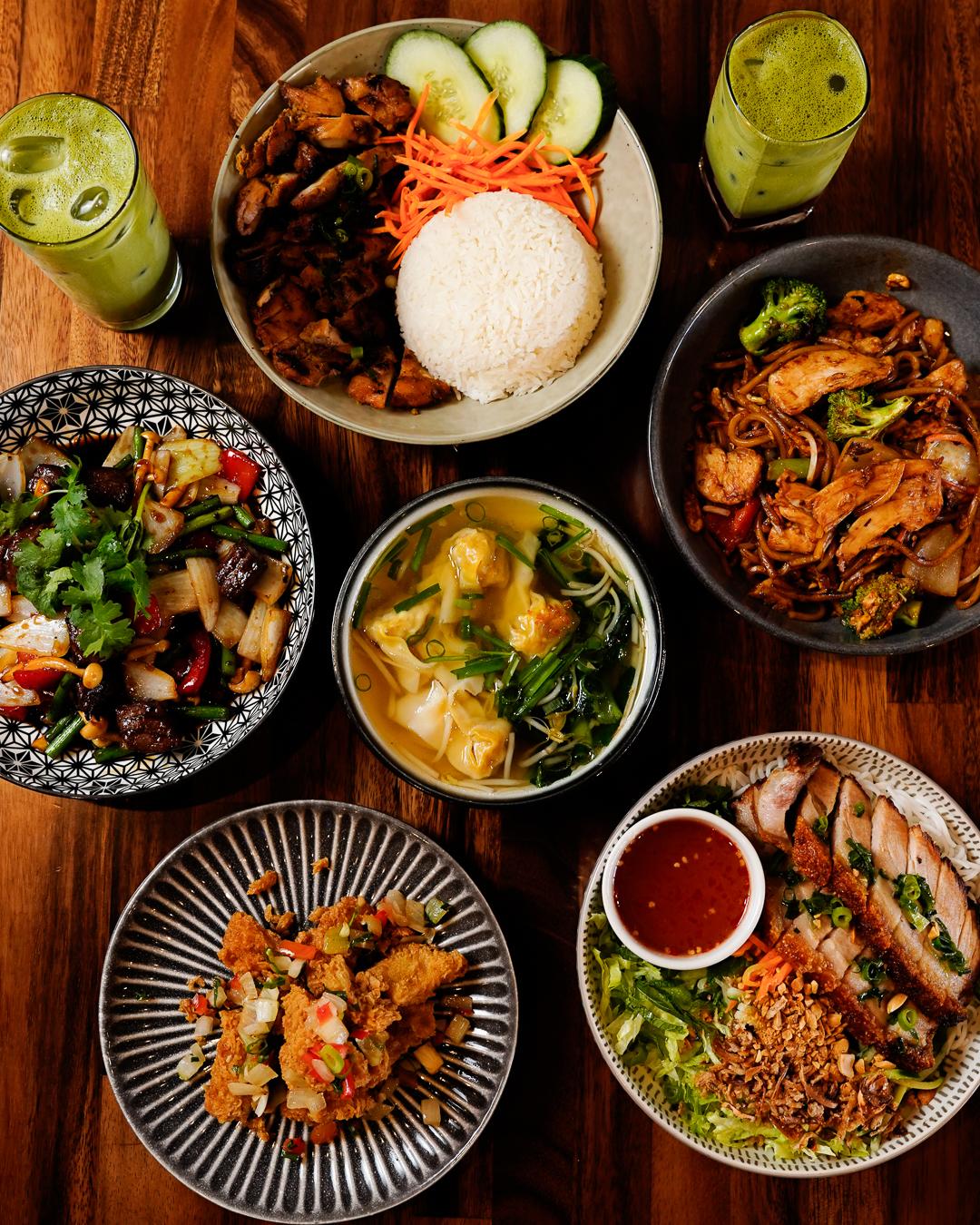
An Nam Quan, a Vietnamese restaurant we work with, runs Google Ads targeting both dining and catering search terms. The catering terms, in particular, capture a segment that Meta can only guess at: people actively planning events and looking for a specific cuisine to feed a group. Google finds them right when the intent is highest.
For Greek Street Unley, the combination of Meta Ads for awareness and Google Ads for booking intent creates a full-funnel approach. Meta builds familiarity. Google converts it. The two channels reinforce each other rather than compete.
Keyword Strategy: Match the Moment
The foundation of a high-performing restaurant Google Ads campaign is getting the keywords right. Start with a clear distinction between branded and non-branded terms.
Branded keywords include your restaurant name and any close variations. These are cheap, high-converting, and important to own. Without a brand campaign, competitors can bid on your name and intercept traffic that was already heading to you.
Non-branded keywords are where the acquisition happens. For a restaurant, this includes terms like:
- "book Greek restaurant Adelaide"
- "Vietnamese restaurant Unley"
- "private dining Adelaide CBD"
- "catering Adelaide corporate"
- "best Thai restaurant Adelaide south"
Use exact match and phrase match for the core booking terms. Exact match gives you precision. Phrase match catches natural variations without opening the floodgates to irrelevant queries. Broad match has its place, but not at the start of a campaign. In a new account, broad match will consume budget on searches that have nothing to do with making a reservation.
Long-tail terms like "book Greek restaurant Unley" or "lunch restaurant open Sunday Adelaide" often have lower CPCs and higher conversion intent than short generic terms. Build your keyword list around the specific phrases someone uses when they are ready to book, not just when they are browsing.
Negative Keywords From Day One
Every restaurant campaign needs a negative keyword list before it spends a single dollar. Without it, you will show up for searches that waste budget without any realistic chance of converting.
Common negatives for a restaurant campaign:
- recipe (someone wants to cook the dish at home, not eat it at yours)
- jobs, careers, employment (someone wants to work there, not dine there)
- menu (often informational research, not booking intent)
- history (researching the cuisine, not the restaurant)
- how to make (recipe searches, not reservation searches)
- free (rarely the customer profile you want)
Add these at the account level so they apply across all campaigns. Then review the search terms report weekly during the first month and add new negatives as irrelevant queries appear. A restaurant running $1,000 per month with no negative keyword list is typically losing $150-200 of that budget to irrelevant clicks within the first 30 days.
Campaign Structure That Works
Keep the structure simple and clear. Two campaigns is the right starting point for most Adelaide restaurants. For a more detailed breakdown of how to build and organise each campaign type, see our guide to Google Ads account structure for restaurants.
The first is your brand campaign. Target your restaurant name and close variants. Use a modest budget, around 15-20% of your total Google Ads spend. The cost per click will be low, and the conversion rate will be high. This campaign consistently delivers the best return in any account.
The second is your non-brand local intent campaign. This is where you invest the bulk of your budget and where new customers come from. Structure it with tightly themed ad groups, one per intent cluster. For example:
- Ad group 1: Dining (general dining terms, cuisine type)
- Ad group 2: Catering (corporate catering, event catering, group bookings)
- Ad group 3: Private events (function room, private dining, celebration dinners)
- Ad group 4: Location-specific (suburb name combined with restaurant or cuisine)
Each ad group needs its own keywords, its own ad copy, and ideally its own landing page or at minimum a page that reflects the ad group's theme. This alignment between keyword, ad, and landing page is what drives Quality Score up and CPC down over time.
Bid Strategy: Earn the Automation
New accounts should start with Manual CPC. Automated bidding strategies like Maximise Conversions or Target CPA need data to work from. Without conversion history, Google's algorithm is essentially guessing. Manual CPC lets you control spending while the campaign builds its conversion record.
Set bids based on keyword intent. High-intent exact match booking terms justify a higher CPC. Informational or broader terms should have lower caps until they prove themselves in the conversion data.
Once your campaign has 30 or more conversions in a rolling 30-day period, switch to Maximise Conversions. At that threshold, Google has enough signal to make smarter bidding decisions than manual adjustments can match. If you have consistent conversion value data, Target ROAS becomes an option further down the track. For most Adelaide restaurants, Maximise Conversions is the right destination once the volume supports it.
Typical CPC ranges for Adelaide restaurant terms sit between $1.50 and $4.50 for most non-brand local intent keywords. Catering and event terms can run higher, $3 to $7, because the transaction value behind them is larger and competition is stiffer. Brand terms usually come in under $1.
Landing Page Requirements
A well-structured campaign sending traffic to the wrong landing page is money spent without return. For a restaurant campaign, the landing page needs to do specific things.
The booking form or booking button must be visible without scrolling. On mobile, which accounts for 60-70% of restaurant search traffic, this is critical. If someone has to hunt for the reservation option, most of them will not.
Include a click-to-call button. Many people searching on mobile would rather call than fill in a form. Make it one tap, not buried in a contact page.
Embed a Google Maps widget or at minimum include a clear address and a link to Google Maps directions. People searching for local restaurants want to know exactly where you are and how to get there before they commit to booking.
Use real photos, not stock images. A photo of your actual dining room or a signature dish builds trust faster than anything your ad copy can say. Authentic visuals reduce hesitation.
Page speed matters more than most restaurant owners realise. Load time above three seconds on mobile causes significant drop-off. Compress images, cut unnecessary scripts from the landing page, and test performance with Google's PageSpeed Insights before launching the campaign.
Tracking Reservations Properly
If you cannot measure reservations, you cannot optimise toward them. Set up two primary conversion actions before the campaign goes live.
Phone call conversions use Google's forwarding number feature. Set the threshold at 60 seconds. Calls under a minute are rarely genuine reservation enquiries. Calls over 60 seconds almost always are. This threshold gives you a reliable signal without counting misdials or people checking your hours.
Form submission conversions fire when someone successfully submits a booking request or reservation form. Set this up via Google Tag Manager triggering on the thank-you page or a confirmation event. If you use a third-party booking system like Quandoo or a custom embedded form, confirm that the confirmation step is trackable before launch.
Review conversion data weekly in the early weeks. Check that the conversion count looks realistic against your actual reservation volume. Discrepancies usually point to a tracking issue, and catching those early prevents weeks of the bidding algorithm optimising toward phantom data.
What This Looks Like in Practice
For An Nam Quan, the campaign structure separates dining search terms from catering terms because the customer intent is different and the value of each conversion differs. Catering bookings carry higher average revenue, so they can justify a higher CPC ceiling. The catering ad group runs separate ads addressing event planners and corporate clients directly, which keeps ad relevance strong and cost efficiency high.
The results from running campaigns this way, with clean structure, tight negative keyword lists, proper conversion tracking, and landing pages matched to intent, consistently outperform loosely built accounts where everything sits in one campaign and the search terms report is never reviewed.
Google Ads for hospitality is not complicated. But the fundamentals need to be executed properly. Get those right and you are capturing the highest-intent customers in your market at the exact moment they are ready to book. To see how we run these campaigns for Adelaide venues, visit our Google Ads services or get in touch.