
E-Commerce Social Media Is a Different Problem
A local restaurant needs social media to build brand awareness and drive foot traffic. A brick-and-mortar retailer needs it to keep the locals coming back.
An e-commerce business needs social media to sell products to people who have never walked past the shop. That is a fundamentally different challenge. The content needs to do more work. The paid advertising needs to be more sophisticated. The product photography needs to serve multiple functions at once.
Most e-commerce owners underestimate how different the social media requirements are until they have spent 6 months posting and getting very little in return.
Here is what actually matters for e-commerce social media in 2026.
Volume: E-Commerce Needs More Content Than Most Businesses
A restaurant can post 3 times a week and maintain a consistent presence. An e-commerce business with 50 products and 5 seasonal sales needs a higher posting cadence to show enough of the catalogue to influence purchasing.
Content types that drive e-commerce on social media: product photography, product in context (lifestyle), user-generated reviews and photos, how-to or usage content, behind the scenes of the packing and dispatch process, sale and promotion announcements, and FAQ-style content addressing purchase objections.
That is 7 distinct content types. Running them at sufficient frequency across Instagram and Facebook means 5 to 7 posts per week minimum. Sustainable for an agency. Difficult for a business owner managing stock, customer service, and fulfilment simultaneously.
Photography: The Gap Between E-Commerce Social That Works and E-Commerce Social That Doesn't
E-commerce product photography must do four jobs at once: show the product clearly, show the product in context (worn, used, styled), represent the brand aesthetic, and compress to Instagram dimensions without losing quality.
Most e-commerce businesses have basic product shots for their website. Those same shots, on a white background, posted directly to Instagram, underperform against lifestyle imagery every time.
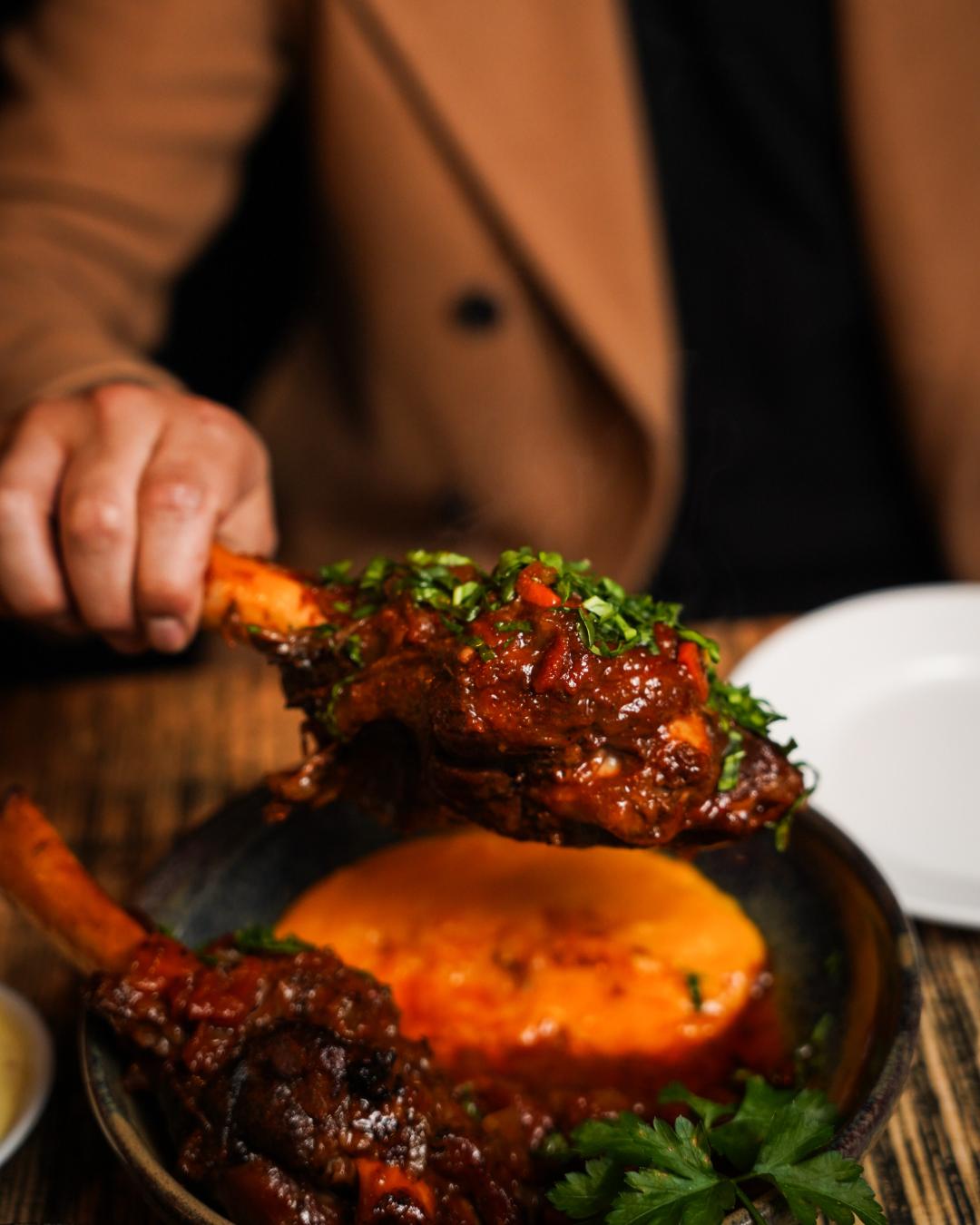
The upgrade: lifestyle photography that shows the product in real use. A food product styled on a kitchen bench with natural light. A clothing item worn by a real person in a real location. A homewares product in a styled room.
This type of photography requires planning, prop sourcing, and usually a half-day shoot every 4 to 6 weeks. It is the single highest-leverage investment an e-commerce business can make in social media performance.

Meta Ads: Where E-Commerce Social Media Investment Goes Wrong
The most common e-commerce Meta Ads mistake: spending money on brand awareness campaigns before having a product catalogue that converts.
Brand awareness ads extend your reach to new audiences. Product catalogue ads show specific products to people who have already visited your website. Retargeting ads show your products to people who added to cart without purchasing.
The correct order is: get your product catalogue set up and your website pixel installed first. Then run product catalogue ads and retargeting to warm audiences. Then add brand awareness campaigns on top.
Most e-commerce businesses who "tried Facebook Ads and it didn't work" ran brand awareness ads to cold audiences without a product catalogue structure or retargeting in place. They reached a lot of people. None of them were ready to buy.
E-Commerce Social Media: DIY vs Agency
| Task | DIY Reality | Agency Capability |
|---|---|---|
| Content volume | Hard to sustain 5+ posts/week | Calendar produced in advance |
| Lifestyle photography | Depends on owner skills | Coordinated shoots |
| Product catalogue setup | Technical, easy to get wrong | Standard setup process |
| Meta retargeting | Requires pixel and catalogue knowledge | Core competency |
| Seasonal campaign planning | Often reactive | Planned 4 to 6 weeks ahead |
| Content type variety | Tends toward one or two formats | Systematic rotation |
When to Handle E-Commerce Social In-House
If you sell fewer than 20 products, your catalogue is small enough that one person managing social media can rotate through it regularly. If you have strong personal brand equity, where the founder's personality is part of the product story, in-house content has a natural authenticity that agencies find hard to replicate.
If your product requires explanation, a founder-led educational content approach on Instagram Reels or Facebook video often converts better than polished agency content. Customers buying something they have not bought before trust the founder's face more than a brand voice.
These situations exist. They are not the majority.
When to Bring in Help
When your catalogue is large enough that you cannot cover it at posting volume without it consuming your week. When you are running seasonal campaigns that need planned creative, paid amplification, and catalogue ad coordination. When you have tried paid social and could not measure a return because the setup was wrong.
Adelaide Socials manages social media for Adelaide businesses including e-commerce brands. If you want to understand whether your current approach is close to right or fundamentally broken, get in touch before your next campaign spend.
FAQ
Does an e-commerce business need a social media manager?
An e-commerce business with a growing product catalogue, seasonal campaign needs, and paid social requirements benefits significantly from professional management. The combination of content volume, photography needs, and Meta Ads technical requirements is difficult to manage well alongside running the business itself.
What type of social media content works best for e-commerce?
Lifestyle photography showing products in real use consistently outperforms white-background product shots on social media. User-generated content (customer photos and reviews) performs strongly. Behind-the-scenes content covering packaging and dispatch creates a sense of the business behind the product. Promotional content works for existing audiences but should not dominate the feed.
Should I use Meta Ads for my e-commerce store?
Yes, but only after your product catalogue is set up correctly and your website pixel is installed. Run product catalogue ads and retargeting to warm audiences first, then add brand awareness. The order matters. Brand awareness without retargeting in place means reaching people who then visit your site and are never re-engaged.