The Meta Ad Strategy That Drove 58% Revenue Growth for a Restaurant
Greek Street Unley had no paid digital presence when we started working with them. They had an Instagram account, reasonable food, and a location on one of Adelaide's busier hospitality dining strips. What they did not have was a consistent stream of new customers or a marketing system that could build one.
The campaign that followed ran for a single season and drove 58% revenue growth above the baseline we established before any spend went live. Here is exactly what we did, why we made each decision, and what we learned from it.
Establishing the Baseline Before Spending
The first four weeks with any restaurant client are not about ads. They are about understanding what the restaurant earns without our involvement.
We pulled weekly revenue data from Greek Street Unley's POS system across the preceding 12 weeks. This gave us a picture of their normal weekly earning pattern: which days were stronger, how revenue varied week to week, and what a reasonable average week looked like. That figure became the baseline.
The 58% growth is measured against that baseline. It is not a percentage of some arbitrary number or a comparison to the worst month on record. It is a comparison to what the restaurant was doing in a normal week before we ran a single ad. Revenue attribution that does not establish this kind of baseline is close to meaningless.
Campaign Objective: Traffic With Landing Page View Optimisation
The most important decision in any Meta campaign for a local restaurant is the objective. We chose Traffic, optimised for Landing Page Views.
The case for Conversions optimisation sounds logical: we want people to book, so optimise for bookings. The problem is that online reservation events from a local restaurant rarely reach the 50+ per week threshold that Meta's algorithm needs to exit the learning phase. Below that threshold, the algorithm guesses rather than optimises. Costs spike. Results are inconsistent.
Traffic optimised for Landing Page Views solves this. The algorithm has ample signal to optimise on because visits to the restaurant's booking page or menu page happen in much higher volume than actual conversions. And visitors who land on those pages are already self-selecting as interested.
We do not use this objective blindly. As CAPI event volume increases and conversion data accumulates, there is a case for shifting to a lower-funnel objective on specific campaigns. For Greek Street Unley at launch, Traffic was the right call.
Audience Architecture
We ran three distinct campaign layers simultaneously from week three onward.
The cold campaign targeted new audiences who had no prior exposure to Greek Street Unley. Two ad sets: a 3km geographic radius around the restaurant, and a 1% lookalike audience seeded from their Instagram engagement (which we had been building organically for four weeks before paid launched). The lookalike gave the algorithm a starting point to find people who behaved online like their existing engaged followers.
The warm campaign retargeted people who had engaged with the restaurant's Instagram or Facebook content in the past 90 days, watched any Reel at least 50%, or visited the website in the past 180 days. This audience was small, around 1,200 people at the start of the campaign, but it was the highest-intent layer we had.
The retargeting campaign targeted people who had clicked through to the booking page via an InitiateCheckout event but had not converted. This was the tightest and most valuable audience. People who visited the reservation page and left are the most recoverable unconverted leads available.
Creative: Reel-First, Authenticity Over Production
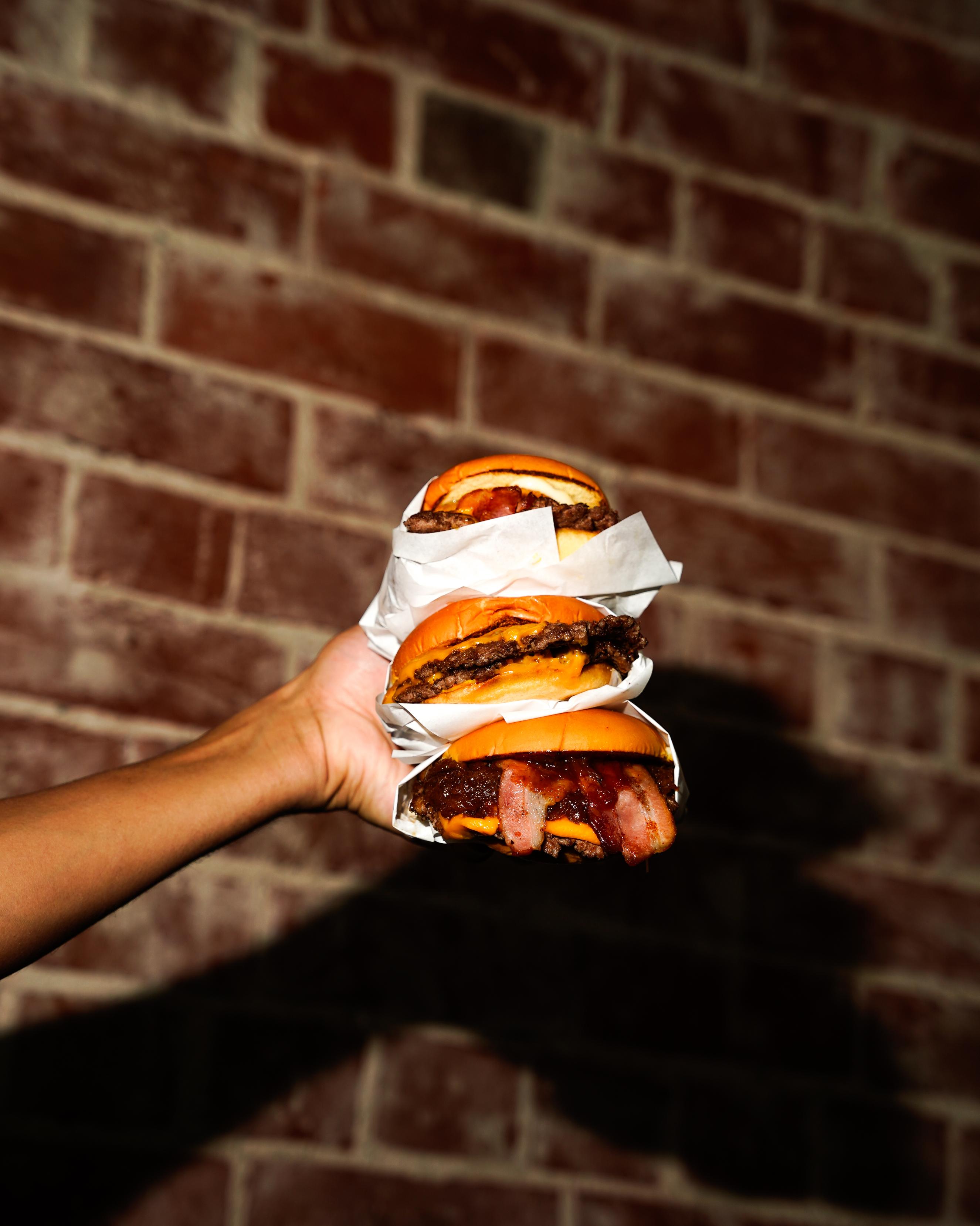
We ran one primary Reel per flight. The creative brief was simple: food first within the first 2 seconds, ambient kitchen or dining sounds over music, no slow brand intro, no text-heavy overlay. The goal was to look like content someone would choose to watch, not a sponsored post that interrupts what they were doing.
The best-performing creative across the campaign was a 22-second clip of the signature dish being plated, followed by a quick cut to a full table with guests eating. Shot on an iPhone. No professional lighting. The authenticity carried it.
That Reel generated more reach and a lower cost per landing page view than the professionally shot content we tested in the same period. This is not unusual. The algorithm rewards completion rate, and people watch content that looks real.
Caption structure: a single hook sentence, a brief payoff, and a direct call to action. Under 125 characters before truncation on mobile. "Greek flavours, Unley Road. Book your table this weekend" is enough. The Reel is doing the work.
Pixel Events and Attribution
Before the campaign launched, we installed four custom pixel events on the Greek Street Unley website: FindLocation on the contact page, Contact on phone number clicks, InitiateCheckout on the "Book a Table" button (using the fireAndGo JavaScript pattern to fire before external redirect), and PageView across all pages.
These events gave the campaign algorithm real-world purchase-intent signals. The InitiateCheckout event in particular, which fires when someone clicks through to the reservation platform, gave the cold campaign a conversion signal to optimise toward over time.
We also set up CAPI alongside the browser pixel to recover attribution lost through iOS privacy changes. Match quality scores in Events Manager sat between 6 and 7 for the core events.
What Happened to Revenue
The 58% above-baseline revenue growth came from a combination of paid and organic channels working together. The paid campaigns put Greek Street Unley in front of local audiences who had not previously seen it. The organic Instagram content gave those audiences something worth following when they arrived on the profile. The two reinforced each other.
By the sixth week of the campaign, the warm audience retargeting layer was producing cost per booking enquiry well below the cold campaign CPL. Audiences that had seen the content, visited the site, and come back were converting at a significantly lower cost than new audiences.
By week ten, the lookalike audience had enough signal to perform comparably to the interest-based cold audience at lower cost. The algorithm had found its stride.
What We Applied to Other Clients
Several things from the Greek Street campaign became standard practice across our hospitality portfolio.
Baseline establishment before any ad spend. Without it, there is no honest way to measure what the campaigns contributed. We now require a minimum of eight weeks of POS data before we run a single paid dollar for any restaurant client.
Traffic with LPV objective as the default start. We have tested Conversions across enough restaurant accounts now to know when it is and is not appropriate. For venues below a certain reservation volume, Traffic is the better starting point.
Reel-first creative with authenticity over production value. We have seen this pattern hold across multiple clients. The food should be the first thing visible. The format should look native to Instagram, not like a broadcast ad.
For more on the campaign structure and how the Accelerator model works, visit /accelerator. See our Meta Ads service or the full Adelaide hospitality campaign guide for how we structure these campaigns. If you want to discuss whether this kind of approach suits your restaurant, get in touch.