
Reels vs Image Ads: What Is Working for Restaurants Right Now
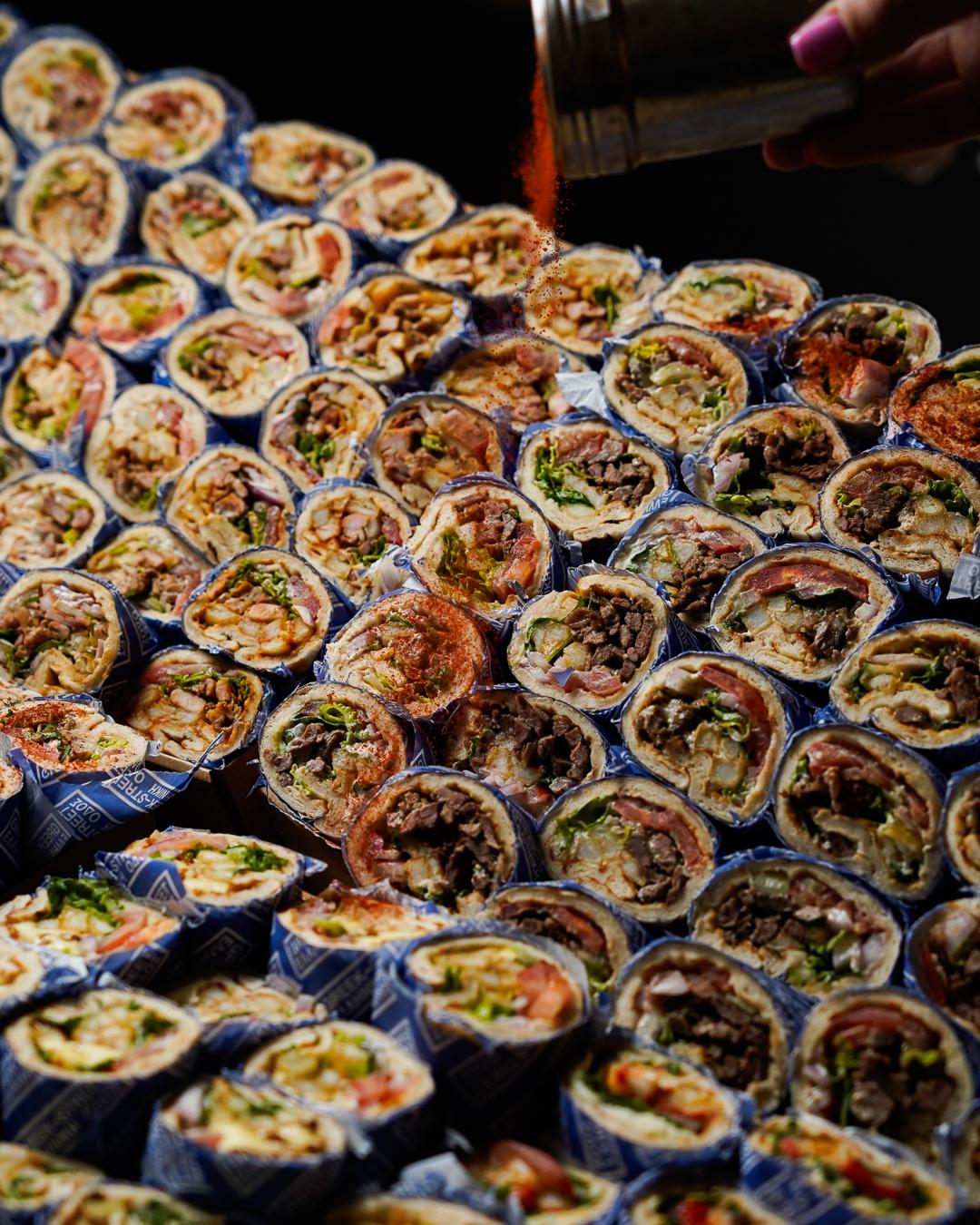
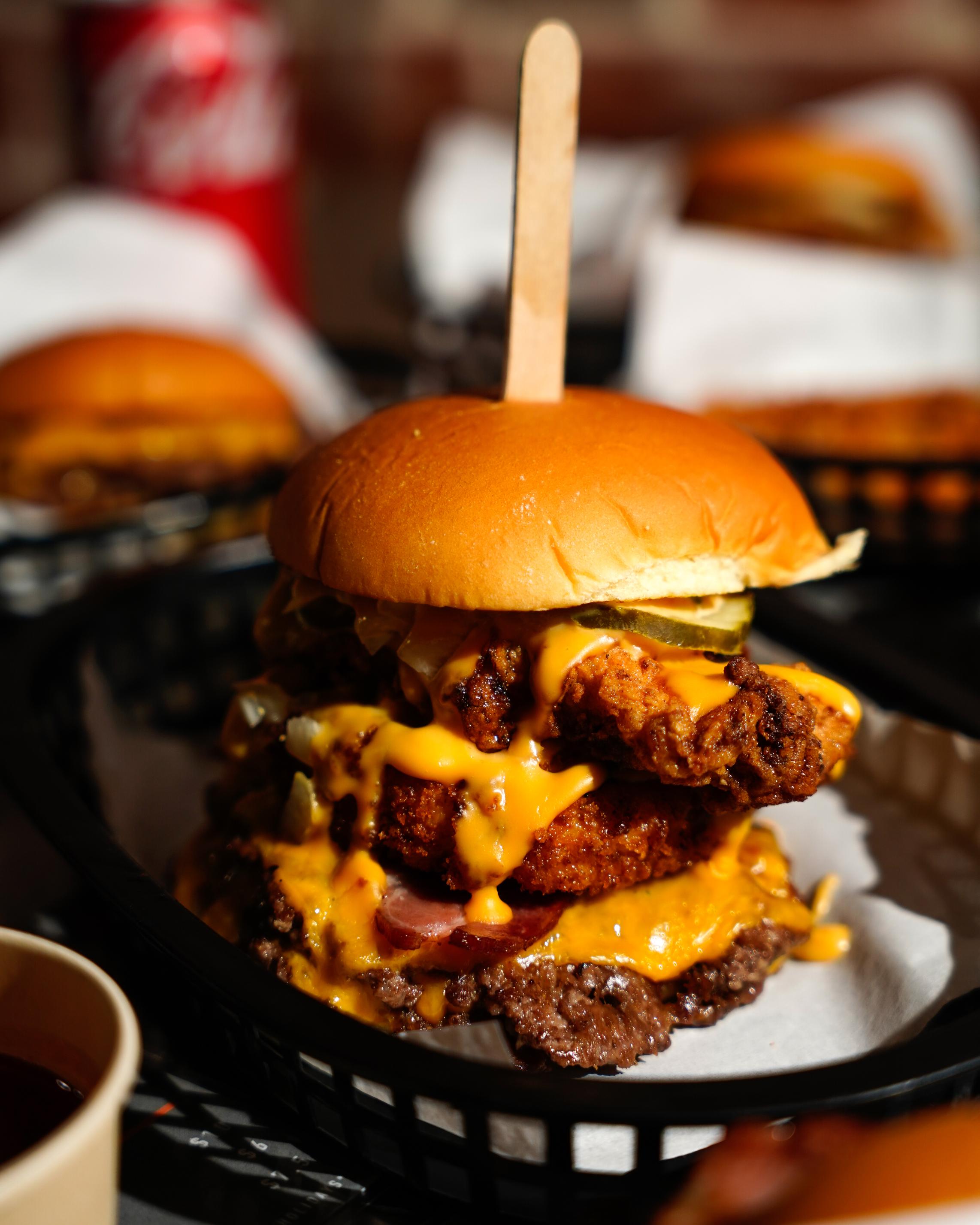
The default assumption in most restaurant marketing is that a good photo of the food is the ad. You take a beautiful shot of the signature dish, write a line or two of copy, add a booking link, and run it. That worked better three years ago than it does now.
Reels have changed what performs. Not in every context, but in enough contexts that defaulting to static images without testing is leaving performance on the table. Here is the actual picture from our hospitality restaurant campaigns, and the specific situations where each format wins.
What the Performance Data Shows
Across our restaurant clients, Reels consistently outperform static images on two metrics: ThruPlay rate and overall reach at equivalent spend.
ThruPlay measures how many users watched a Reel to at least 15 seconds or to completion if the video is shorter. This is the metric that tells you whether content actually held attention. Reels typically generate ThruPlay rates 2 to 4 times higher than the equivalent static image generates in terms of meaningful engagement time. More time in front of the right viewer means more intent being built.
On reach, Reels get organic amplification that static images do not. When a Reel generates shares and saves, Meta's algorithm distributes it further without additional cost. A static image ad almost never gets shared in the same way. This distribution effect means the effective cost per person reached is lower for Reels, sometimes significantly lower, particularly in the first 48 hours of a campaign when the algorithm is learning.
CPM (cost per thousand impressions) for Reels is also generally lower than for feed placement static images. Meta allocates Reels inventory to compete with organic content in the Reels tab and Stories placements, where the supply is high and costs reflect that.
Where Static Images Still Win
For direct booking campaigns with a specific, time-sensitive offer, static images sometimes outperform Reels on cost per landing page view and cost per booking.
The reason is intent clarity. A well-designed static image with a clear offer, a specific call to action, and a direct booking link communicates its message in zero seconds. No completion required. The user sees the offer, taps the link, and is on the booking page. For users who are already in the decision phase, that directness converts efficiently.
This pattern shows up most clearly in retargeting campaigns. Users who have already visited the restaurant website or engaged with previous content do not need the full video experience. They have built awareness. A static image ad with a specific offer ("Book your table this Friday, sittings still available") hits the intent they already have.
Mother's Day campaign data from Greek Street Unley confirms this split. The Reel drove the majority of landing page views at $0.165 CPL. Static image ads used in retargeting towards people who had already visited the site drove booking confirmations at a higher rate per click because those users were already warmed up. Different formats for different funnel positions.
The Creative Brief Difference
The brief for a Reel and the brief for a static image are completely different documents. Treating them the same is why most restaurant video content underperforms.
A static image brief asks: what is the one thing we need someone to see and feel in a single frame? What is the hero shot? What does the text overlay say? Where is the CTA? The entire decision is made in one composition.
A Reel brief asks different questions. What does the first frame show? Why would someone stop scrolling in the first 2 seconds? What is the pacing? Is there sound? If yes, what is the audio doing? What happens in the last 3 seconds to drive the action? The structure of the brief reflects the structure of the medium.
For restaurant Reels, the brief format we use covers 4 elements. Opening hook: the specific visual or moment that appears in the first 2 seconds. Content arc: what the video shows from opening through middle to end (for food content this is typically dish reveal or preparation sequence, atmosphere shot, close food detail, ending frame with booking CTA). Sound: ambient restaurant audio versus music track, and whether any spoken or text element appears. Exit action: what the final frame shows and what the CTA text reads.
What Makes a Restaurant Reel Actually Perform
The Reels that perform well share specific characteristics. The ones that do not perform well share different ones.
High-performing restaurant Reels are short. Under 20 seconds is the target. Under 15 seconds is better for most campaigns. Completion rate drops sharply after 20 seconds for non-creators: users who did not choose to follow you have very little reason to watch a 45-second restaurant ad when the feed offers infinite alternatives.
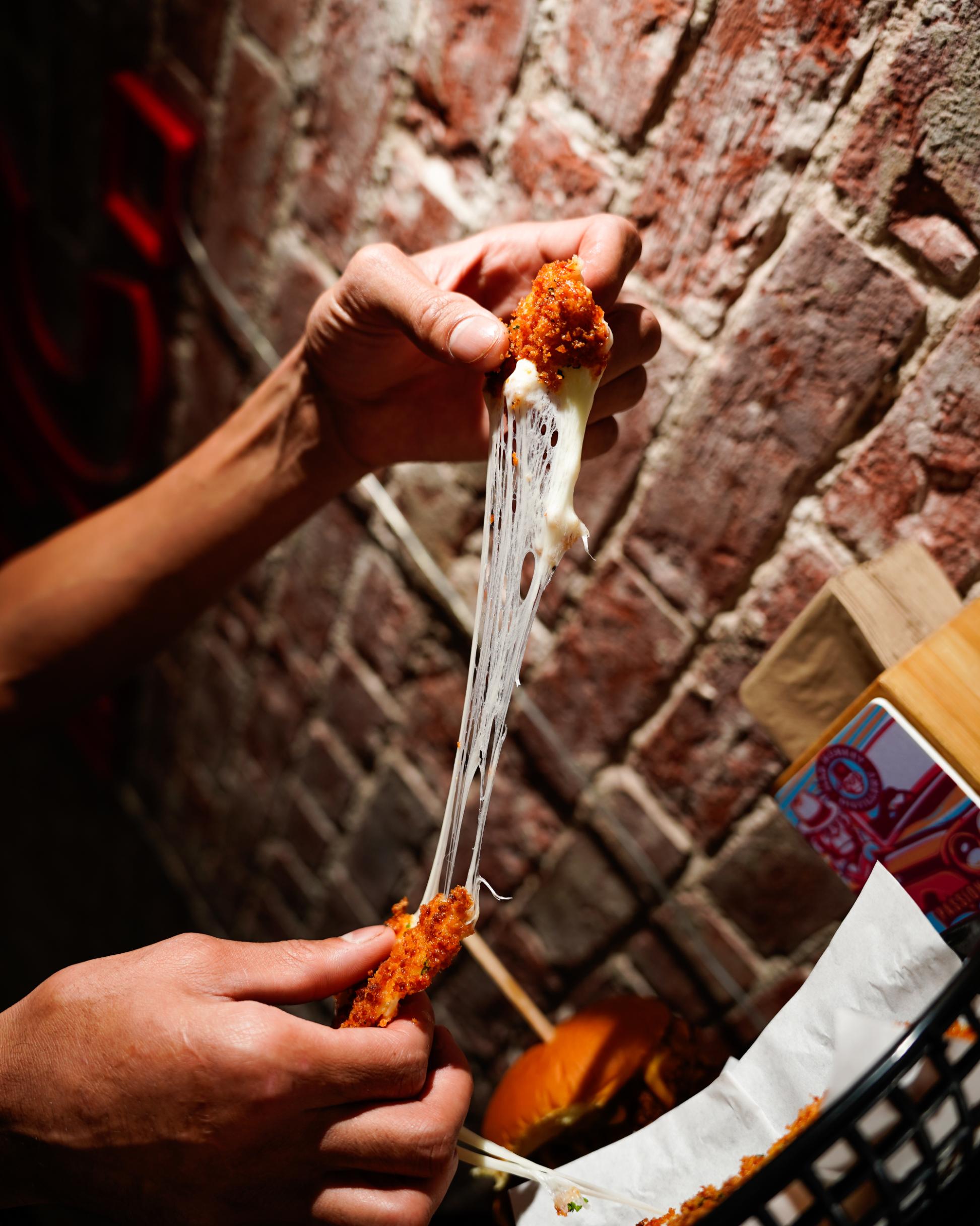
The opening two seconds are not a branding opportunity. They are a hook. Starting with a logo or a restaurant name card burns the most valuable creative real estate on the least engaging content. Start with the most compelling visual: a cheese pull, a flame dish, a beautifully plated dessert being placed on a table, ambient dining room energy on a packed Friday night. The identity comes second.
Sound design matters more than most restaurants acknowledge. Ambient sound, the clink of glasses, background conversation, kitchen sounds, paired with a subtle music bed creates context. It places the viewer inside the experience before they consciously decide to engage. Muted sound or poor audio (wind noise, room echo, random background clatter) immediately lowers the perceived quality of the content and the restaurant by association.
Text overlays should be minimal. If text appears, it should be readable in one glance: one short line, large enough to read on a phone screen without zooming, placed where it does not block the visual subject. Paragraph-length text overlays on a 12-second Reel are unreadable and signal that the creator did not understand the format.
Real, specific images outperform polished stock or generic lifestyle content every time. Diners at the actual restaurant, the actual kitchen, the actual chef's hands plating the actual dish. Authenticity is not a trend. It is a trust signal. A restaurant Reel that looks like it was filmed in the restaurant builds more booking intent than a perfectly produced video that looks like a global brand campaign.
The Format Decision Framework
This is the decision framework we use when planning creative for a restaurant campaign.
Campaign objective is awareness or reach, target is cold audience, timeline is more than 7 days: use a Reel as the primary format. Organic amplification and lower CPM make Reels the right efficiency choice.
Campaign objective is driving landing page views or bookings, target is retargeting audience, timeline is specific event or offer with urgency: test both and let the data decide within the first 48 hours. Static images often win here on CPL even if Reels win on reach.
Campaign is for a specific occasion (Mother's Day, Valentine's Day, Christmas): lead with a Reel for the initial reach phase, switch to a static image with specific offer details for the final 5 to 7 days as the event approaches and urgency is highest.
Budget is under $30 per day: use one format, not both. Split-testing formats at low spend does not produce statistically useful results and splits the budget below effective levels for either format. Choose based on the campaign objective above.
Both formats have a place in a well-built restaurant campaign. The mistake is choosing one by default rather than by strategy. For a full breakdown of how each format fits into the campaign mix, see our guide to the best Meta ad formats for restaurants. See the full approach we use for restaurant Meta campaigns at our Meta Ads services.