
Grand Opening Marketing: What We Do for New Restaurants
The restaurant that opens without a marketing plan is relying entirely on foot traffic, word of mouth, and luck. Some venues get away with that. Most do not. The first 90 days of trading set the trajectory. You are building habits, reviews, and a customer base during a window when novelty works in your favour. Once that window closes, you are competing for attention the same way every other venue in the area does.
Here is the three-phase structure we use for restaurant grand opening campaigns and what happens at each stage.
Phase One: Pre-Launch (2 to 4 Weeks Before Opening)
The goal in the pre-launch phase is not bookings. The goal is awareness and anticipation. The restaurant is not open. You cannot take reservations for most of this period. What you can do is make the restaurant known to the people within a 5 to 8 kilometre radius who are likely to become your first customers.
Meta ads with "Coming Soon" creative start running three to four weeks before the opening date. The creative should show the space, the food if you have any shots from soft opening testing, and the date. The call to action is social follow, not booking. You are building an audience of people who have already shown interest before the doors open.
The targeting is geographic at this stage: the restaurant's suburb, adjacent suburbs, and the surrounding catchment area. Age and income targeting is used where relevant to the venue type. A fine dining opening targets differently than a casual lunch spot.
Google Business Profile setup happens in this phase. This is not optional and it is not something to leave until opening week. Google Business Profile verification takes time, sometimes up to seven days. The profile needs to be live, verified, and accurate before the opening date. Hours, address, phone number, category, and photos need to be correct from day one because Google indexes this information and the profile will start appearing in search results immediately.
Social media follower growth in the pre-launch period is valuable because these followers are the first retargeting audience. When you switch from "Coming Soon" to conversion-focused content in opening week, you already have a warm audience to push to.
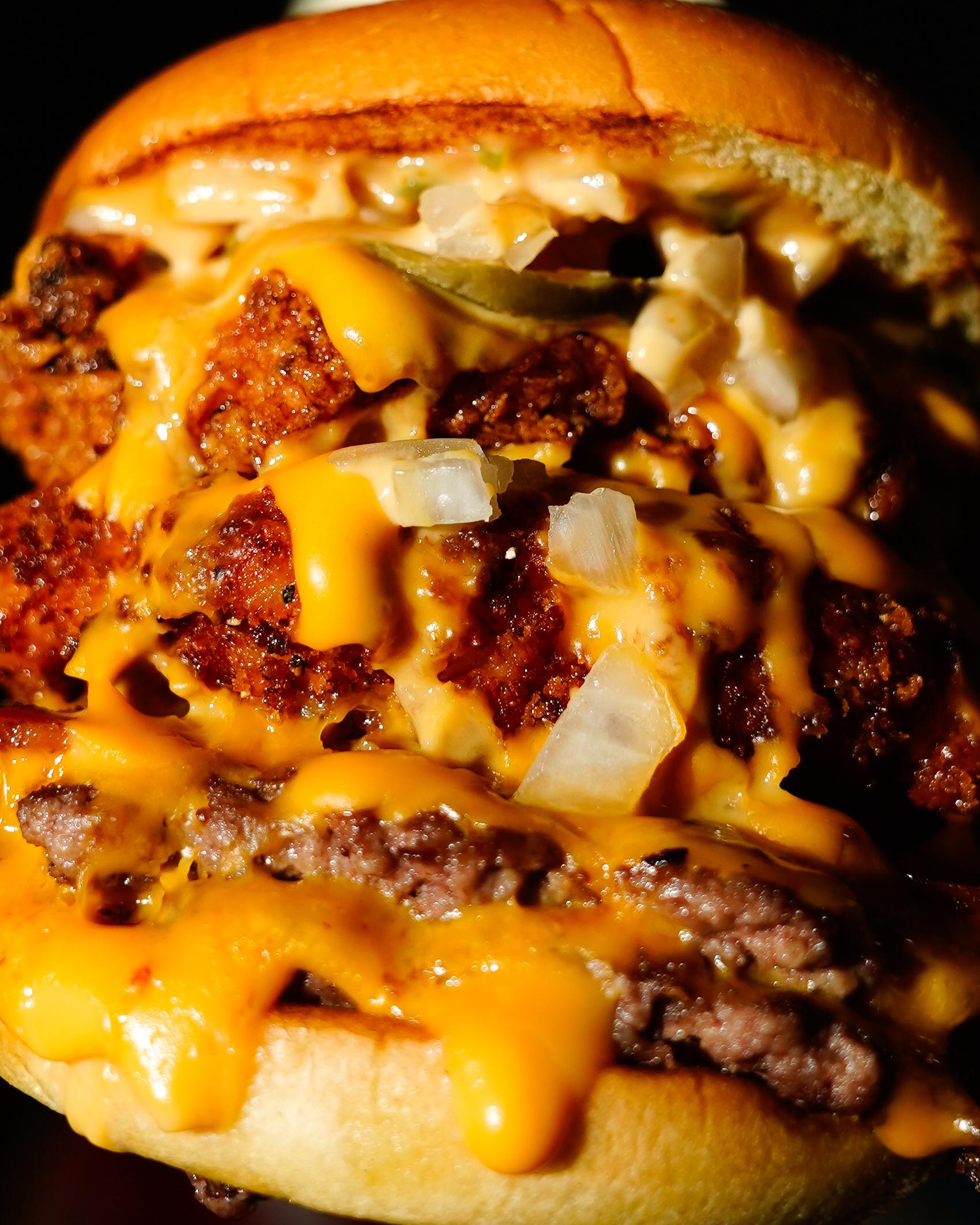
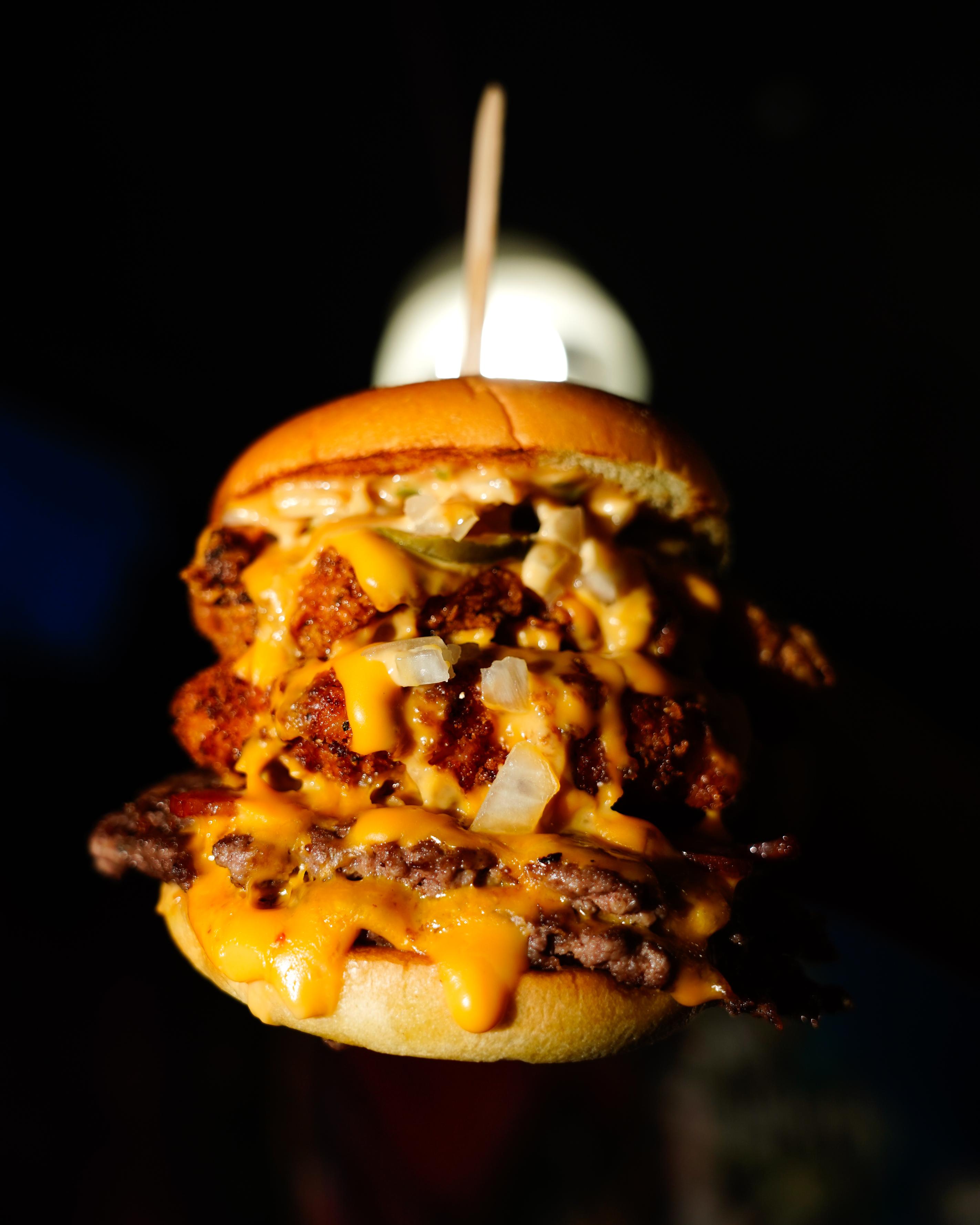
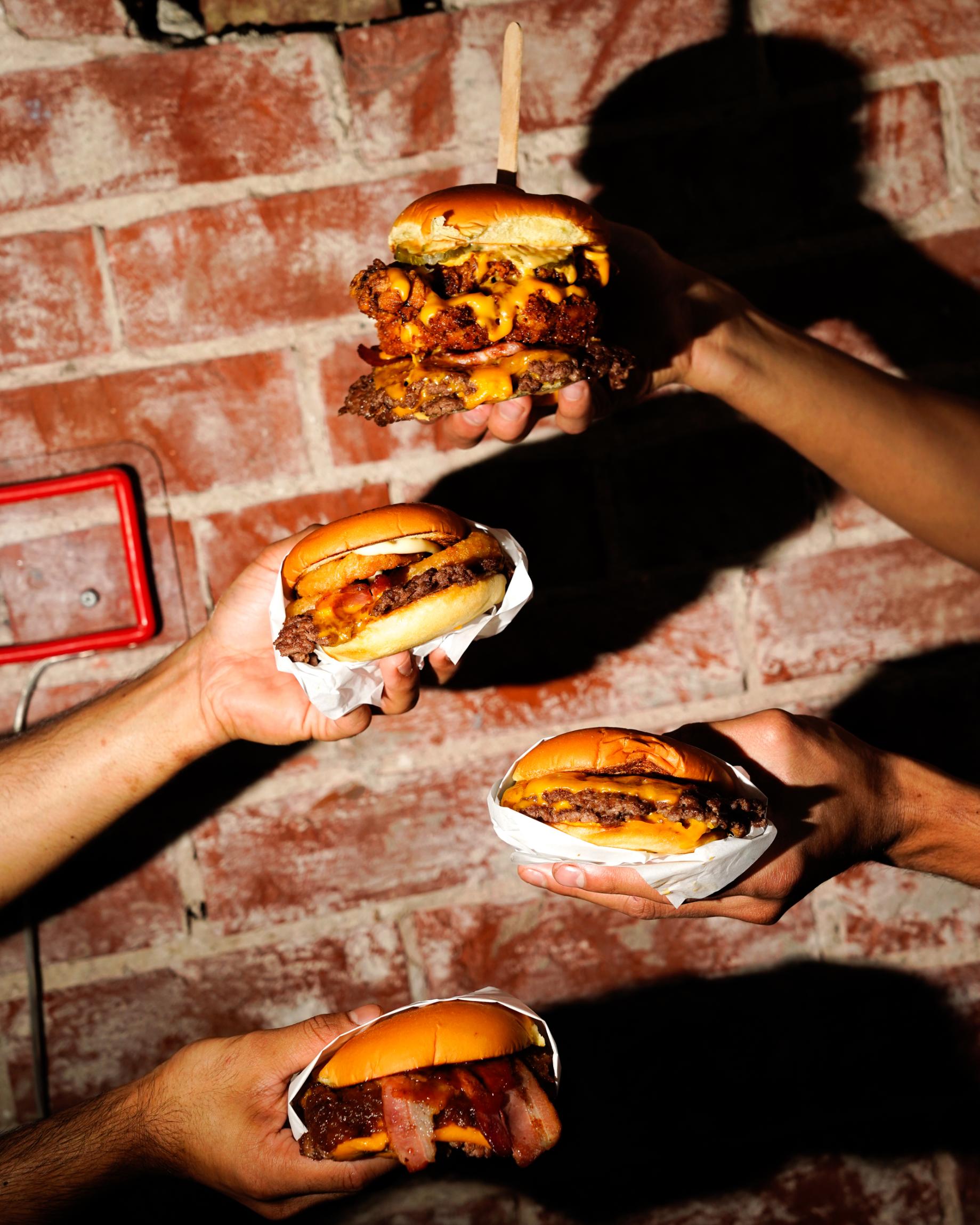
A soft opening, if you run one, generates your first photos and first genuine social content. Document it. The behind-the-scenes content from a soft opening, the team plating dishes, the first customers through the door, the kitchen in full service for the first time, performs well on organic social because it has authenticity that polished content does not.
Phase Two: Opening Week
Opening week is the conversion push. Everyone who engaged with the pre-launch content, followed the page, watched a Reel, clicked through to the website, becomes a retargeting audience for booking-focused campaigns.
Meta retargeting in opening week is targeted at pre-launch engagers with a direct call to action: book now, visit this week, bring a friend. The creative shifts from anticipation to urgency. The restaurant is open. Now is the time to come.
Google Ads for local search launches at the same time. Search campaigns targeting "restaurants in [suburb]," "[cuisine type] restaurant [suburb]," and the restaurant name itself capture the intent-based searches that opening week generates. People who heard about the opening from social media and then search to confirm the address, find the menu, or book a table are captured by the search campaign.
Budget allocation in opening week: the majority of the ad spend goes to conversion-focused placements, with a smaller portion continuing to run awareness content for people who have not yet engaged with any of the pre-launch activity. The ratio is roughly 70% conversion, 30% awareness.
If there is a PR angle, opening week is when it lands. A restaurant with a compelling story, a unique concept, or a notable chef has a reason to pitch local media. An opening press mention or social media feature from a local food account amplifies the paid campaign with reach that money alone cannot buy. This is not guaranteed and it is not the centrepiece of the plan, but if the angle exists, pursue it.
Google review volume starts building during opening week. Every customer who has a positive experience is an opportunity. Train the floor staff to mention Google reviews at the end of the meal. Set up a QR code at the table or on the receipt that links directly to the review page. The first 10 reviews establish the star rating that every future search result will show.
Phase Three: Post-Opening (Weeks 2 to 8)
The post-opening phase is about retention and reviews. The novelty of a new venue fades faster than most restaurateurs expect. By week three, the initial surge of curious first-timers has passed. The restaurant now needs to convert those first-time visitors into returning customers.
Remarketing to first visitors works if you have the infrastructure to support it. If the restaurant has an email capture at the point of booking or an online ordering system, the first-visitor email list is a remarketing audience. Meta custom audiences built from website traffic in the first two weeks are another source. These audiences receive content that emphasises value and experience: a new menu addition, a special offer for return visits, a reason to come back.
The review generation strategy that works is systematic, not occasional. Every week, someone on the team is responsible for monitoring Google reviews, responding to every review, and following up with any dissatisfied customers before their experience crystallises into a negative review. The response to a one-star review in week three, handled well and promptly, shapes the star rating and demonstrates responsiveness to every prospective customer who reads it later.
Organic social media content in the post-opening phase shifts from "new restaurant" to "this is who we are." The content pillars settle: hero food content, atmosphere, team, and offers. The posting rhythm for this phase is three to four times per week at minimum. More than that requires dedicated content support. Less than that and the algorithm deprioritises the page.
Campaign budget can pull back from opening-week levels in weeks four to eight. The brand is established in the market. The retargeting audiences are warmer. Efficiency improves. We typically reduce total spend by 20 to 30% from the opening-week peak and reallocate toward the best-performing placements rather than running the full format mix.
Budget Framework for Each Phase
Pre-launch (weeks one to four before opening): $800 to $1,200 total. Primarily Meta awareness. Google Business Profile setup is labour cost, not media spend.
Opening week: $1,000 to $1,800 for the week. Split across Meta retargeting, Meta awareness, and Google search. Higher budget if the venue is larger and the revenue opportunity justifies it.
Post-opening weeks two to eight: $500 to $900 per week. Reducing toward the lower end as efficiency improves and organic brand awareness builds.
These ranges suit a mid-sized Adelaide restaurant doing $10,000 to $20,000 per week in revenue. Larger venues with higher revenue targets need proportionally larger budgets.
The 90-day grand opening window is finite. If you are opening a restaurant and you want the marketing to match the investment you have made in the space and the kitchen, start planning the campaign four to six weeks before your doors open. Restaurants looking for an ongoing growth program after opening can learn more about the Accelerator. Get in touch or learn more about how we work with hospitality businesses.